Optimal Timing for Water Treatments
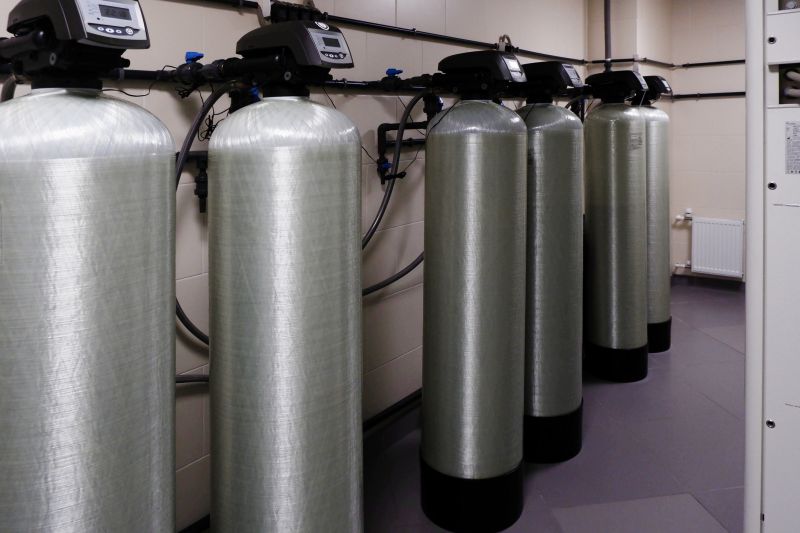
Ways to make Water Treatments work in tight or awkward layouts.
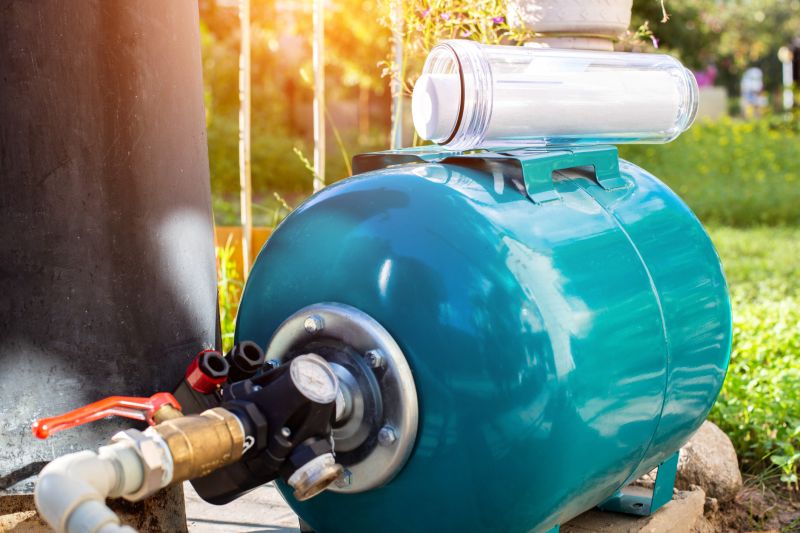
Popular materials for Water Treatments and why they hold up over time.
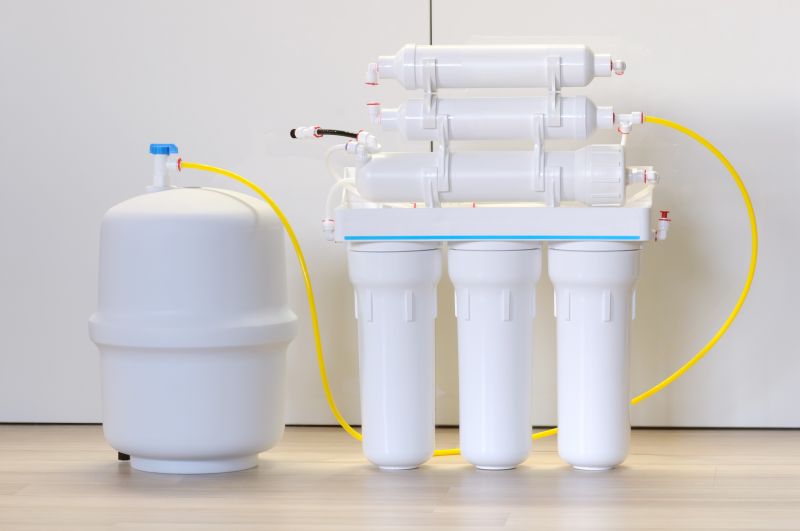
Simple add-ons that improve Water Treatments without blowing the budget.
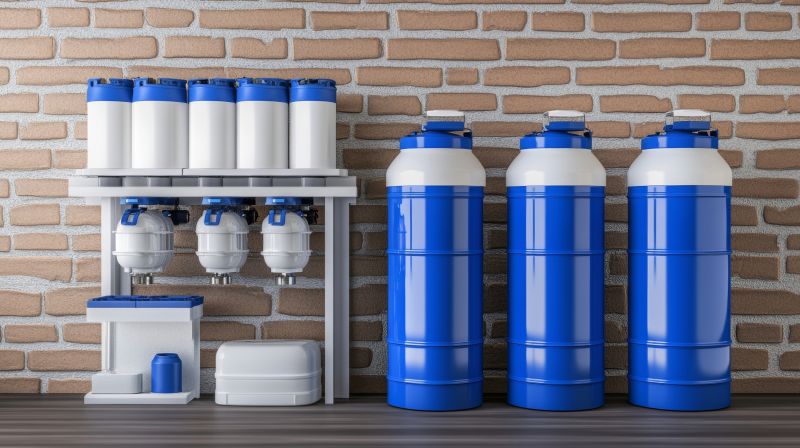
High-end options that actually feel worth it for Water Treatments.
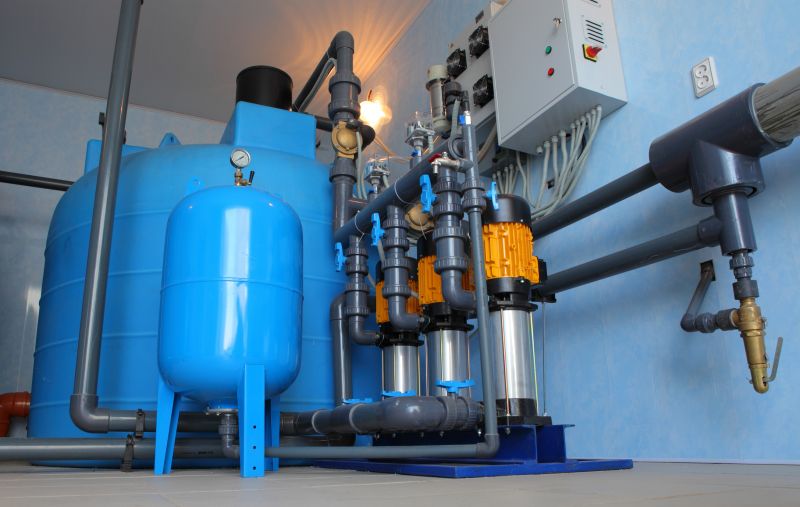
Finishes and colors that play nicely with Water Treatments.
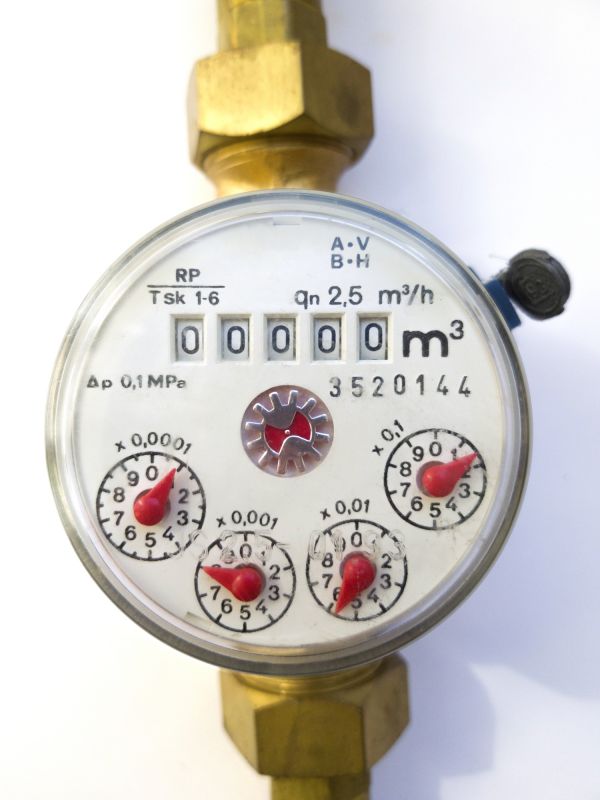
Little measurements that prevent headaches on Water Treatments day.
Water treatments are essential for maintaining water quality and ensuring safe, clean water supply. Proper timing of these treatments can optimize effectiveness and prevent issues such as corrosion, scaling, and microbial growth. Typically, water treatments are most effective when applied during periods of low usage or seasonal changes, such as spring or fall, to prepare water systems for increased demand or temperature fluctuations.
Spring is an ideal time for water treatments as it prepares systems for increased usage during warmer months.
Fall treatments help prevent freezing and corrosion during colder months and ensure water quality for winter.
Performing water treatments before peak usage seasons minimizes system issues and prolongs equipment lifespan.
Post-season treatments help clear out accumulated sediments and microbial growth after high-demand periods.
Water treatments involve processes such as disinfection, pH adjustment, and filtration to remove contaminants and improve water quality. These treatments are crucial in preventing health hazards and equipment damage. Statistics indicate that proper water treatment can reduce microbial contamination by over 90 percent and extend the lifespan of plumbing and appliances by several years.
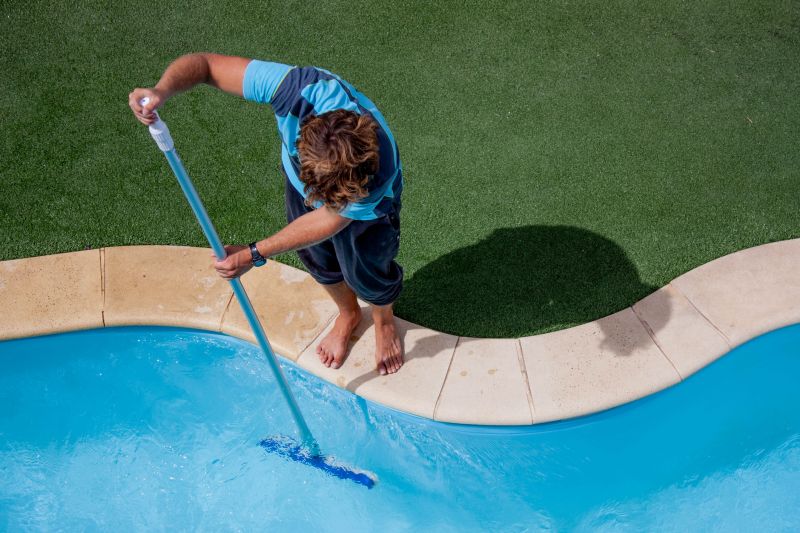
A 60-second routine that keeps Water Treatments looking new.
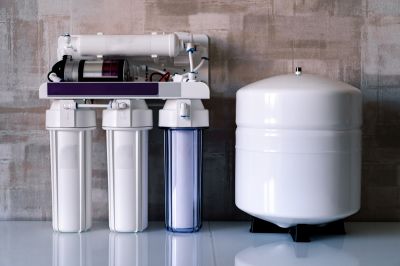
A frequent mistake in Water Treatments and how to dodge it.
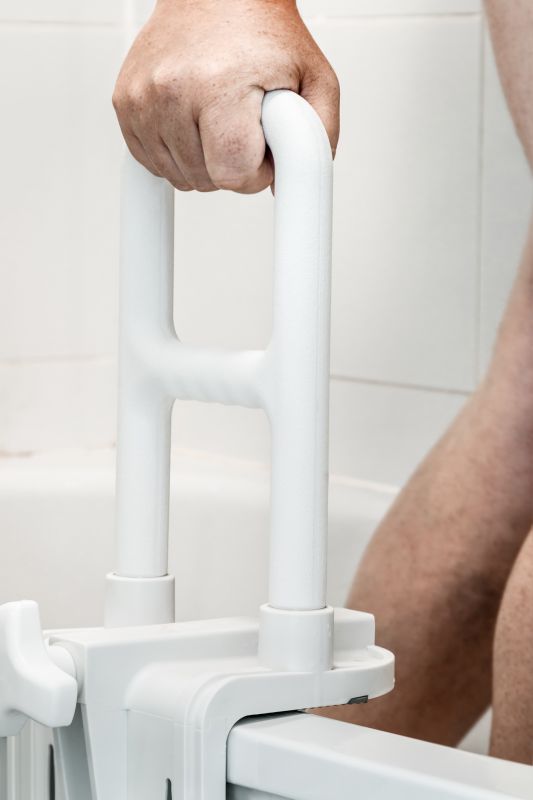
Small tweaks to make Water Treatments safer and easier to use.
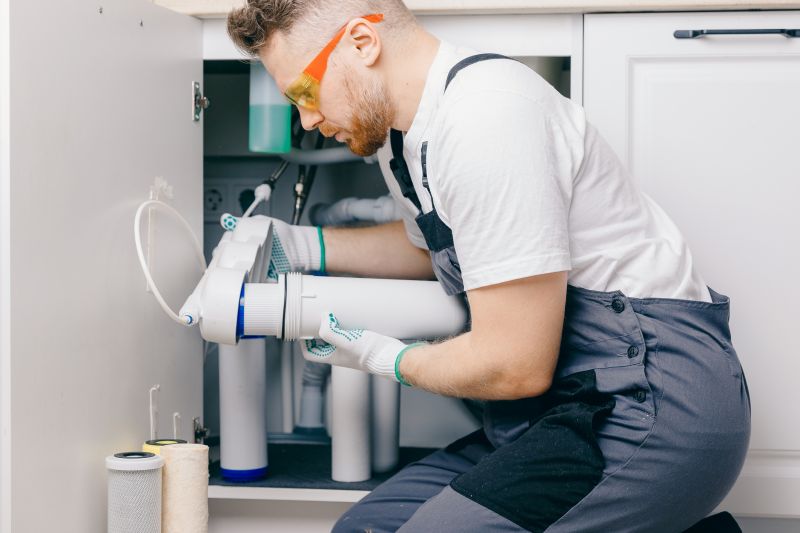
Lower-waste or water-saving choices for Water Treatments.
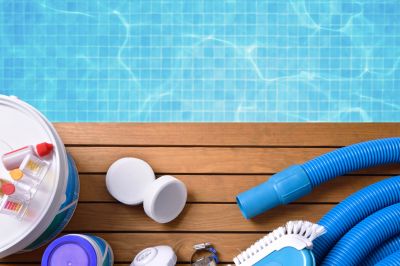
The short, realistic tool list for quality Water Treatments.
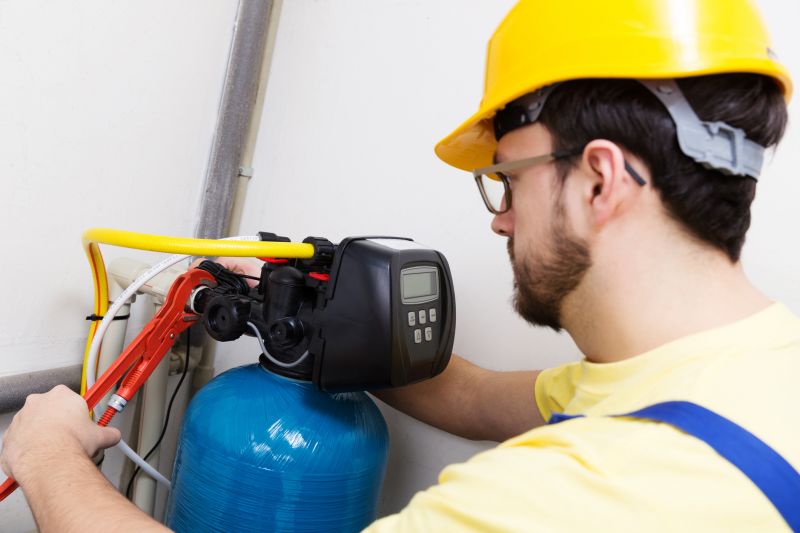
Rough timing from prep to clean-up for Water Treatments.
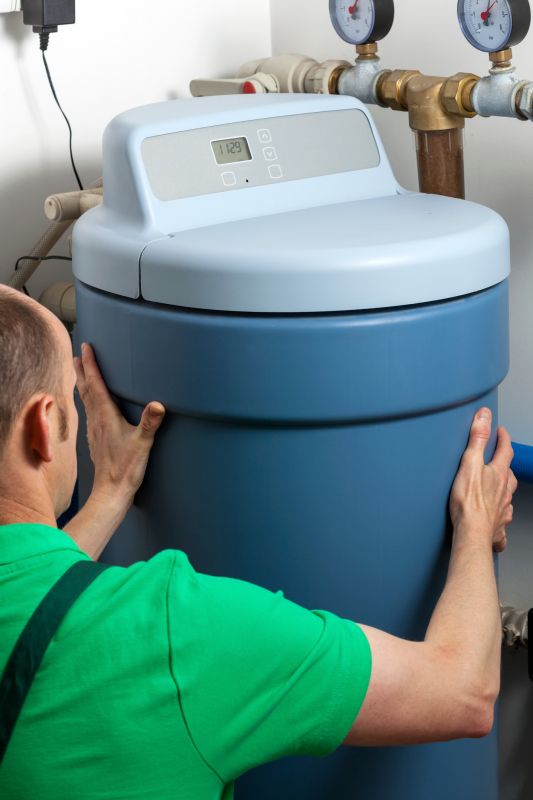
Quick checks and paperwork to keep after Water Treatments.
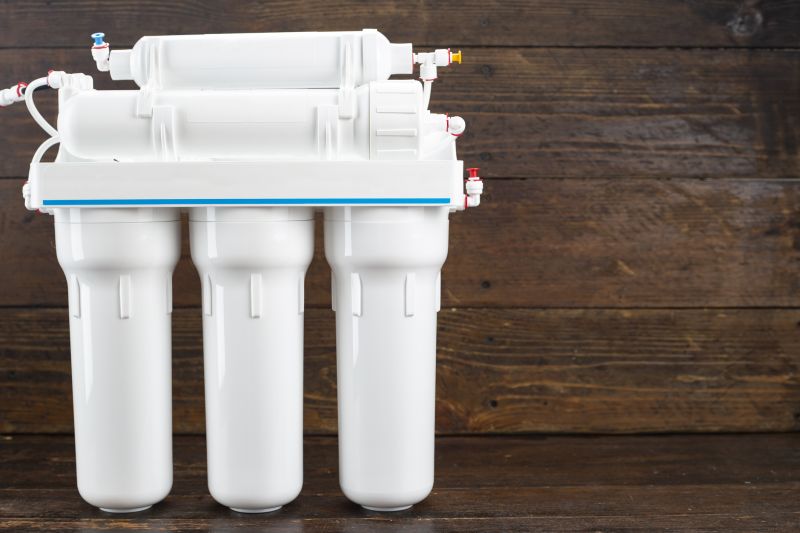
Examples that show the impact a good Water Treatments can make.
| Season | Recommended Treatment Activity |
|---|---|
| Spring | Disinfection and system flushing |
| Summer | Routine filtration and microbial control |
| Fall | Corrosion prevention and sediment removal |
| Winter | Freeze protection and microbial inhibition |
| Pre-peak season | Water quality testing and adjustments |
| Post-peak season | Sediment removal and system cleaning |
| Year-round | Regular maintenance and monitoring |
| As needed | Emergency treatment for contamination |
Ways to make Water Treatments work in tight or awkward layouts.
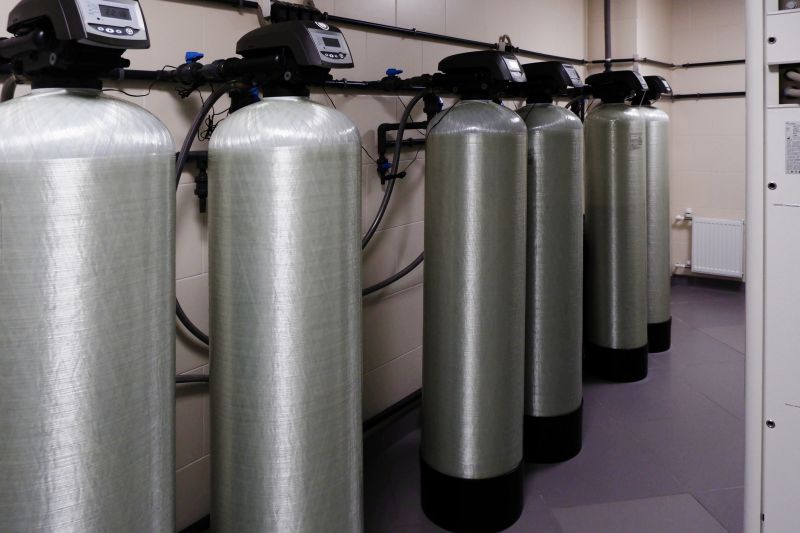
Ways to make Water Treatments work in tight or awkward layouts.
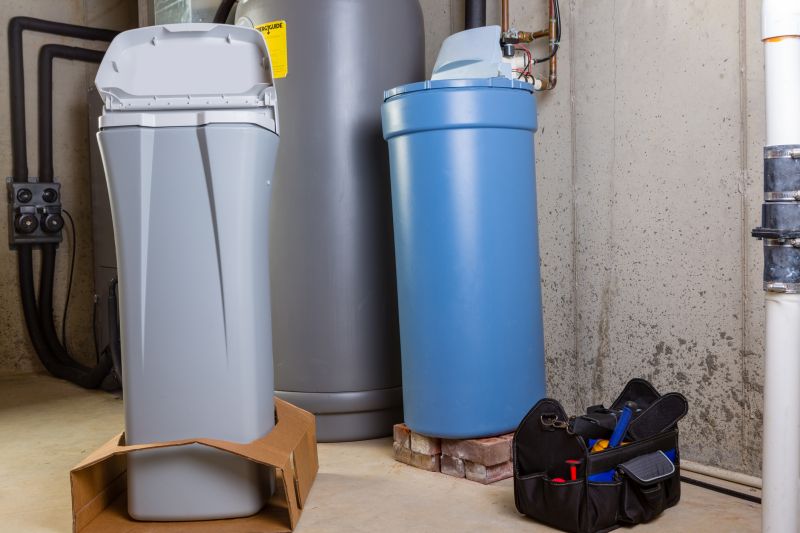
Ways to make Water Treatments work in tight or awkward layouts.
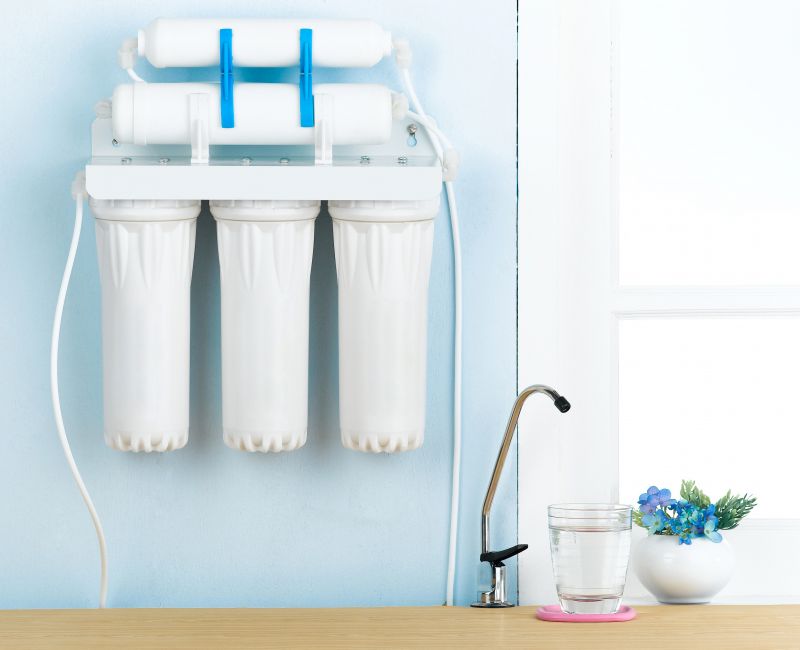
Ways to make Water Treatments work in tight or awkward layouts.
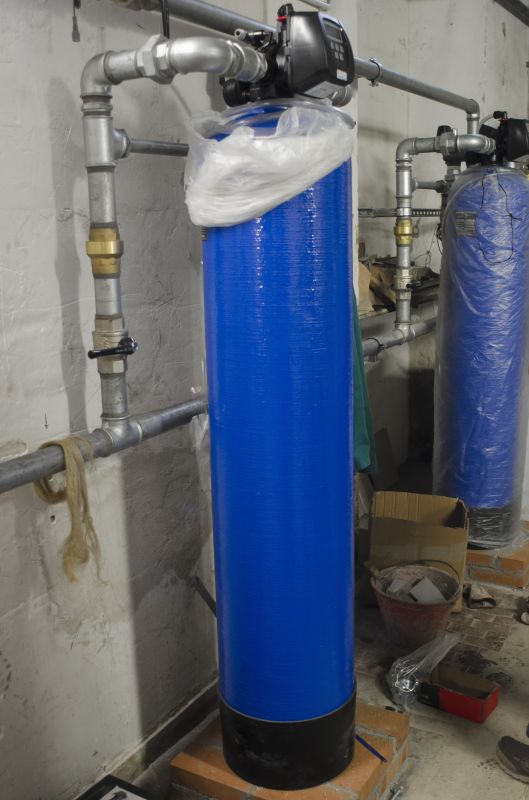
Ways to make Water Treatments work in tight or awkward layouts.
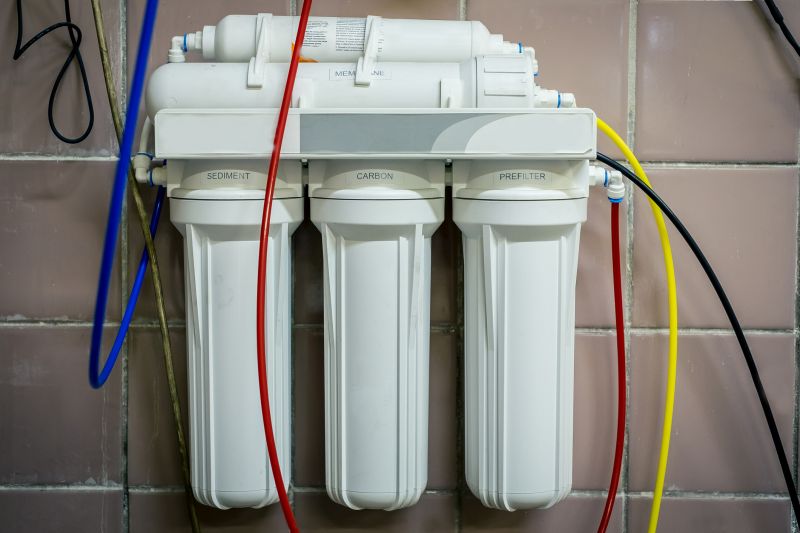
Ways to make Water Treatments work in tight or awkward layouts.
Proper timing of water treatments ensures optimal system performance and water safety. Consulting with water treatment specialists can help determine the best schedule based on local conditions and specific water quality issues. Regular assessments and timely interventions are key to maintaining high water standards and avoiding costly repairs or health risks.
For further information or to schedule a water treatment consultation, filling out the contact form is recommended. Expert guidance can assist in establishing an effective treatment schedule tailored to specific water system needs.